
February 7, 2026
As temperatures begin to drop across Los Angeles County, many homeowners turn on their heating systems for the first time in months — only to discover weak airflow, unusual smells, or systems that won’t start at all.
A proper pre-winter heating system checklist helps prevent breakdowns, improve efficiency, and ensure safe operation before colder nights arrive.
This guide outlines exactly what Los Angeles homeowners should check before winter begins.
Why a Pre-Winter Heating Checklist Matters in Los Angeles
While Los Angeles winters are milder than many parts of the country, heating systems still experience:
- Long periods of inactivity
- Dust accumulation
- Filter clogs
- Thermostat miscalibration
- Electrical wear
- Safety risks from gas systems
Starting the season without inspection increases the risk of unexpected failure when you need heat most.
Homeowner Pre-Winter Heating Checklist (Step-by-Step)
Below is a practical checklist you can follow before turning your heating system on for the season.
1. Replace or Inspect the Air Filter
Dirty filters are one of the most common causes of heating inefficiency.
Check for:
- Visible dust buildup
- Restricted airflow
- Gray or dark discoloration
Recommendation: Replace the filter every 1–3 months during active use.
2. Test the Thermostat
Set the thermostat to heating mode and raise the temperature 3–5 degrees above room temperature.
Verify:
- The system turns on promptly
- Warm air flows through vents
- The thermostat reading is accurate
Consider upgrading to a programmable or smart thermostat for better efficiency.
3. Inspect Vents and Registers
Walk through your home and check:
- All vents are open
- No furniture is blocking airflow
- No visible dust buildup inside vents
Restricted airflow reduces heating efficiency.
4. Listen for Unusual Noises
When the system starts, listen for:
- Banging
- Rattling
- Whistling
- Grinding
Unusual sounds may indicate motor, blower, or ignition issues.
5. Check for Strange Odors
A mild dusty smell is normal when turning on heating for the first time.
However, call a professional if you notice:
- Burning plastic smell
- Strong metallic odor
- Rotten egg smell (possible gas leak)
Gas-related smells require immediate attention.
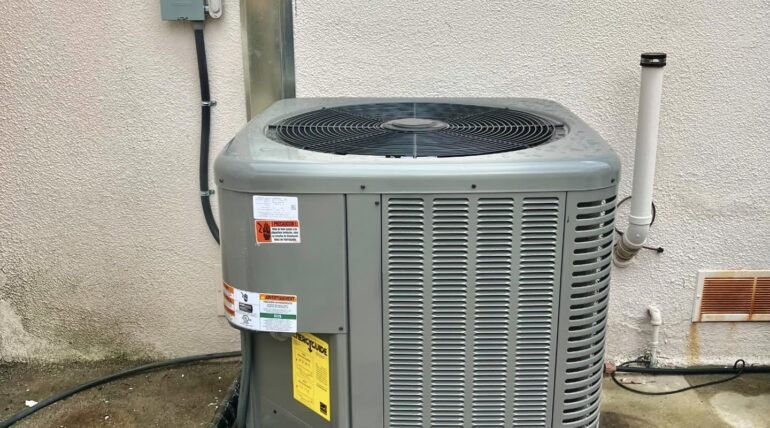
6. Inspect the Outdoor Unit (For Heat Pumps)
If you use a heat pump:
- Clear leaves and debris around the outdoor unit
- Ensure at least 2 feet of clearance
- Check for visible coil damage
Outdoor airflow directly impacts system performance.
7. Check Carbon Monoxide Detectors
For gas furnaces, carbon monoxide safety is critical.
- Replace detector batteries
- Test alarms
- Ensure detectors are installed near sleeping areas
Carbon monoxide is odorless and dangerous.
8. Inspect the Furnace Area
Make sure:
- No flammable materials are stored nearby
- The furnace area is clean
- Air intake vents are unobstructed
Clear space ensures safe operation.
9. Turn On the System Before It Gets Cold
Do not wait for the coldest night of the year.
Testing early allows time for repairs before peak demand.
Professional Heating Inspection Checklist (What Technicians Check)
While homeowners can complete basic steps, professional inspection includes:
- Heat exchanger safety inspection
- Electrical component testing
- Gas pressure verification
- Combustion analysis
- Blower motor testing
- Duct airflow measurement
- Thermostat calibration
- Safety control checks
These steps identify issues not visible during basic inspection.
Signs Your Heating System Needs Professional Service
Call a licensed HVAC technician if you notice:
- Uneven heating
- Short cycling
- Rising utility bills
- Yellow pilot light (instead of blue)
- Constant system operation
- Weak airflow
Early service prevents mid-season breakdowns.
Benefits of Pre-Winter Heating Maintenance
Performing a checklist before winter offers:
- Lower energy bills
- Fewer emergency repairs
- Longer equipment lifespan
- Improved indoor air quality
- Safer gas furnace operation
- Reliable heating during cold nights
Heating Systems Common in Los Angeles
Most Los Angeles homes use:
- Gas furnaces
- Electric furnaces
- Heat pumps
Each system requires slightly different inspection steps, but maintenance principles remain consistent.
When to Consider Heating Replacement Instead of Repair
You may want to evaluate replacement if:
- Your system is 15+ years old
- Repairs are frequent
- Energy bills are increasing
- Heating performance is inconsistent
- Safety concerns are identified
Modern high-efficiency systems offer improved comfort and energy savings.
Schedule Professional Heating Service in Los Angeles
If your heating system shows signs of trouble or hasn’t been serviced in the past year, professional inspection is recommended.
📞 Call Top AC Inc: +1 (855) 999-8672
🌐 https://top-ac.com/
Professional heating service ensures your system operates safely and efficiently all winter.
Frequently Asked Questions
How often should heating systems be serviced in Los Angeles?
At least once per year, ideally before winter begins.
Do heat pumps need winter maintenance?
Yes. Heat pumps require both indoor and outdoor inspection.
Is a dusty smell normal when turning on heat?
Yes, briefly. Persistent burning smells require inspection.
How long does a furnace last in Los Angeles?
Typically 15–20 years with proper maintenance.