
November 4, 2026
10 Best Signs of a Failing Furnace to Watch
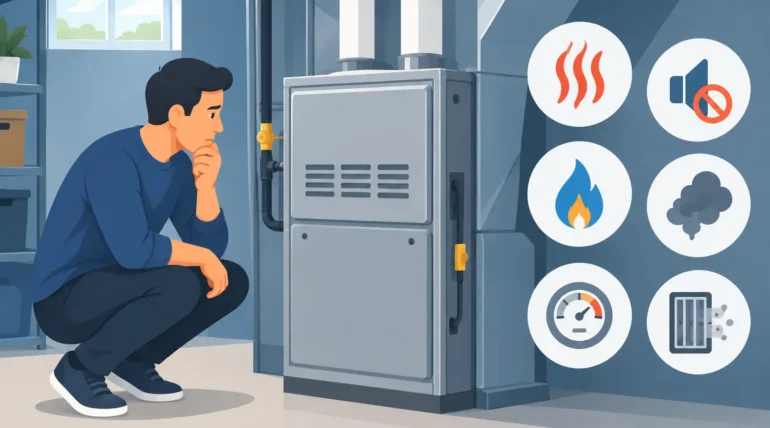
A furnace rarely chooses a convenient time to quit. It often starts with one cold bedroom in Woodland Hills, a strange sound after dinner in Northridge, or a utility bill that suddenly makes no sense. Knowing the best signs of a failing furnace can help you act before a small performance problem becomes a no-heat emergency.
Some symptoms point to a straightforward repair or overdue maintenance. Others can signal a safety concern or a furnace nearing the end of its useful life. The difference is not always obvious from the thermostat, which is why paying attention to changes in comfort, sound, smell, and operation matters.
Best Signs of a Failing Furnace
1. Your home has uneven heat
If the furnace runs but certain rooms stay chilly, do not assume the system is simply too small. A closed or blocked register, duct leakage, a dirty filter, thermostat trouble, or a weakening blower can all create uneven temperatures. Homes with additions, converted garages, and second-story rooms can be especially prone to comfort imbalances.
Start by checking that supply vents are open and unobstructed and that the filter is not overdue for replacement. If those basics look fine, a professional diagnosis can identify whether the issue is airflow, ductwork, controls, or the furnace itself. Continuing to turn the thermostat higher may only make the system run longer without solving the cold spot.
2. Heating cycles are short, frequent, or unusually long
A healthy furnace should run in relatively consistent cycles when the weather is cool. If it starts and stops every few minutes, this is called short cycling. If it runs for a long time but barely warms the house, it may be struggling to produce or distribute heat.
Short cycling can result from a clogged filter, incorrect thermostat placement, restricted airflow, an overheating safety switch, or a more significant mechanical issue. Long cycles may point to heat loss, airflow restrictions, burner problems, or an undersized or poorly matched system. Either pattern deserves attention because constant cycling increases wear and can raise energy use.
3. New noises are coming from the furnace
Furnaces make some ordinary operating sounds, including the gentle rush of air and the click of a normal startup. What should get your attention are new, loud, or repeating noises. Banging or popping can indicate expanding ductwork, but it may also relate to delayed ignition. Squealing can suggest a belt or blower issue, while grinding or metal-on-metal sounds may indicate worn motor components.
Do not wait for a noise to become constant. A furnace that is still heating can have a component beginning to fail. Addressing it early may prevent damage to connected parts and reduce the chance of an unexpected breakdown during a cold spell.
4. You notice unusual odors
A brief dusty smell at the first startup of the season is common, especially after a long stretch without heating. That smell should fade quickly. Persistent burning odors, electrical smells, or musty odors are not something to ignore.
The most urgent exception is the smell of natural gas, often described as sulfur or rotten eggs. Leave the building, avoid switches, flames, and electronics, and contact the gas utility or emergency services from a safe location. Do not try to locate a gas leak yourself or restart the furnace.
5. Your energy bills rise without a clear reason
Winter utility costs can increase with colder weather, but a sharp jump without a meaningful change in thermostat habits is a useful warning sign. A furnace loses efficiency when filters are restricted, burners are dirty, airflow is poor, or aging components force it to work harder.
Look at several bills rather than one month in isolation. If heating costs stay elevated while comfort declines, schedule an inspection. The goal is not to assume replacement right away. An honest evaluation should determine whether maintenance or repair can restore efficient operation, or whether repeated fixes are no longer a good value.
6. The flame is yellow instead of mostly blue
For a gas furnace, the burner flame should generally appear steady and mostly blue. A yellow or flickering flame can indicate incomplete combustion, which may be caused by dirty burners or a ventilation issue. This is a professional-service concern, not a homeowner adjustment.
Carbon monoxide is colorless and odorless, so never use flame color as the only safety check. Every home with fuel-burning equipment should have working carbon monoxide detectors, ideally near sleeping areas and on each level of the home. Test them regularly and replace batteries or units as directed by the manufacturer.
7. The furnace needs repairs more often
One isolated repair does not mean a furnace is finished. Parts wear out, and many service calls are worthwhile. The concern grows when breakdowns become frequent, especially if different components fail within a short period or the furnace is already older.
Age matters, but condition matters more. A well-maintained unit may have useful life remaining, while a neglected furnace can become unreliable sooner. Your technician should explain what failed, why it failed, what repair would accomplish, and whether there are signs of larger issues ahead. Clear options are more useful than pressure to make a fast replacement decision.
8. The thermostat does not seem to match the room
When the thermostat reads 70 degrees but the room feels much colder, the furnace may not be the only possible cause. Thermostat calibration, a weak battery, poor location near a draft or heat source, and airflow problems can all affect performance.
Still, a thermostat mismatch is worth checking because it can cause unnecessary cycling and discomfort. If you have replaced batteries and confirmed basic settings but the problem continues, a technician can test the controls and the heating system together rather than replacing parts based on a guess.
9. Airflow from vents feels weak
Weak airflow makes a furnace feel underpowered even when it is producing heat. The cause may be as simple as a heavily loaded filter. It can also be related to the blower motor, duct restrictions, dirty components, or damaged ductwork.
Avoid closing numerous vents in an attempt to push more heat into one room. Most forced-air systems need balanced airflow, and closing too many registers can increase pressure and strain equipment. A proper inspection can identify the reason for weak delivery and help restore comfort throughout the home.
10. The furnace shuts down or will not start
A furnace that will not start, repeatedly trips, or shuts down after ignition needs prompt service. Modern systems use safety controls designed to stop operation when something is wrong. Bypassing or repeatedly resetting those protections is not a safe solution.
Before calling, you can safely confirm that the thermostat is set to heat, the filter is not completely blocked, and the furnace switch and breaker are on. If the problem remains, leave repair work to a licensed HVAC professional. Electrical components, gas connections, venting, and combustion parts all require the right training and testing equipment.
When to Call for Furnace Repair Right Away
Act quickly if you smell gas, a carbon monoxide alarm sounds, you see soot around the furnace, or the system produces burning or electrical odors. Turn the furnace off if you can do so safely, then seek appropriate emergency help. A no-heat situation also deserves same-day attention when temperatures drop, particularly for households with young children, older adults, or anyone medically sensitive to cold.
For less urgent symptoms, such as higher bills, uneven heating, or occasional noises, scheduling service before the system fails is usually the smarter and less stressful move. Regular maintenance can catch dirty burners, worn electrical connections, airflow restrictions, and drainage or venting concerns before they interrupt heat.
TOP AC provides licensed furnace diagnostics, repair, maintenance, and replacement guidance for homeowners and property owners across Canoga Park and nearby San Fernando Valley communities. The focus should always be on the right fix for the condition of your system, with clear findings and no guessing.
A furnace does not need to be completely dead before it deserves attention. If your home is less comfortable, the system sounds different, or your heating bill keeps climbing, schedule service while you still have time to choose the next step calmly.