
October 13, 2026
Can Insulation Lower Cooling Bills in Los Angeles?
A Los Angeles attic can become one of the hottest parts of a home by early afternoon. If that heat is sitting directly above your living space, your air conditioner has to fight it for hours. So, can insulation lower cooling bills? In many homes, yes. Properly installed attic or crawl-space insulation can slow unwanted heat transfer, help rooms hold their set temperature, and reduce the amount of time your AC needs to run.
The key word is properly. Insulation is not a magic fix for every high utility bill, especially if you also have duct leaks, aging equipment, blocked vents, or major air leaks around the home. But when the insulation is thin, damaged, shifted, or missing, correcting it can make a noticeable difference in comfort and cooling costs.
How Insulation Helps Lower Cooling Bills
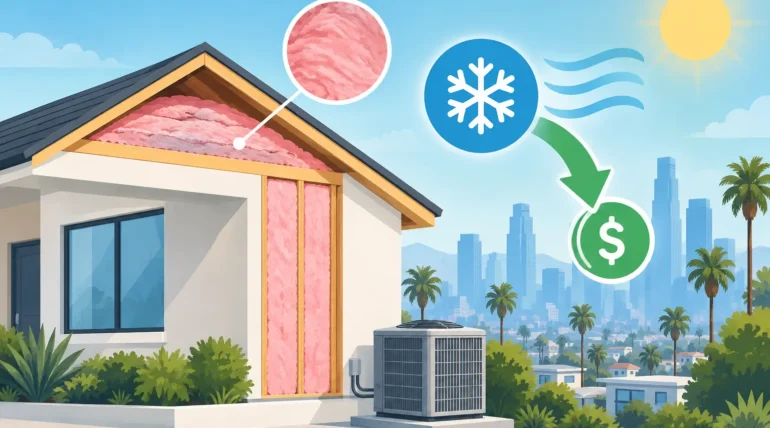
Your air conditioner removes heat from inside the home. Insulation helps keep outside heat from entering in the first place. In summer, that matters most at the attic floor, ceiling, walls, and crawl space, depending on the home’s construction.
Without enough insulation, heat from a sun-baked roof moves into the attic and then through the ceiling below. Rooms under the attic may feel warmer than the rest of the house, and the thermostat may never seem satisfied. The AC keeps cycling because the home is gaining heat faster than it can comfortably remove it.
Insulation creates resistance to that heat flow. It does not make heat disappear, but it slows the transfer enough that your cooling system can maintain temperature with less effort. Less runtime can mean lower electricity use, fewer long afternoon cycles, and reduced wear on components that already work hard during Southern California heat waves.
This benefit is especially relevant in homes with older attic insulation. Over time, some materials settle, get compressed, or become uneven. Rodents, roof leaks, storage activity, and previous repair work can also leave gaps. Even a home that technically has insulation may not have an even, effective thermal barrier.
Can Insulation Lower Cooling Bills Enough to Matter?
The savings depend on the home. A house with little attic insulation and strong sun exposure may see a more meaningful improvement than a newer home that already has good coverage. Larger homes, top-floor rooms, and homes with high ceilings can also benefit because they have more area exposed to attic heat.
Your results also depend on how you use the home. If the thermostat is set very low all summer, insulation will help, but it will not erase the cost of maintaining a large indoor-outdoor temperature difference. If you are away during the day and use a programmable thermostat, improved insulation can help the home stay more stable until you return.
Instead of promising a one-size-fits-all dollar amount, it is more useful to look for signs that insulation is part of the problem. These include:
- Upstairs rooms that remain hot even while the AC runs
- Ceilings or interior walls that feel warm in the afternoon
- Uneven temperatures between rooms
- Long AC cycles and steadily rising summer bills
- Visible gaps, flattened material, or bare areas in the attic
A professional assessment can separate an insulation issue from an equipment or ductwork issue. That protects you from spending money on the wrong solution.
Attic Insulation Usually Delivers the Biggest Impact
For many Los Angeles homes, the attic is the first place to inspect. Roof surfaces absorb intense sunlight, and attic temperatures can climb far above the outdoor temperature. When the attic floor is under-insulated, that stored heat pushes down toward conditioned rooms.
A contractor can evaluate the insulation’s depth, condition, and coverage. The goal is a consistent layer with no open areas around attic access points, recessed fixtures, framing gaps, or duct penetrations. The right material and target insulation level depend on the home, local climate conditions, and the available space.
Air sealing often belongs in the same conversation. Insulation slows heat movement, while air sealing addresses cracks and openings where hot outdoor or attic air can leak into the house. Sealing bypasses around plumbing, wiring, and ceiling penetrations before adding insulation can improve the overall result.
This is also a good time to look at attic ducts. If ductwork runs through extreme attic heat and has loose connections, damaged insulation, or leakage, cooled air can be lost before it reaches your rooms. Adding attic insulation without checking the ducts may leave part of the comfort problem unresolved.
Crawl Spaces and Floor Comfort
Crawl-space insulation can matter as well, particularly in homes where floors feel warm, drafty, or uncomfortable. It may help reduce heat entering from below and support more even temperatures across the home.
Crawl-space work requires careful inspection. Moisture, pests, damaged vapor barriers, and access limitations can affect which insulation method makes sense. Installing material over an existing moisture or rodent problem is not a lasting repair. The area should be clean, dry, and properly prepared first.
Insulation Is Part of a Complete Cooling Plan
A well-insulated home gives your AC a better chance to do its job, but the system still needs to be sized, maintained, and operating correctly. An oversized unit can cool quickly without removing enough humidity. An undersized or aging unit may run too long even in a well-insulated home. Dirty filters, weak airflow, and refrigerant problems can all raise operating costs.
Windows, doors, and shading also matter. West-facing windows can add a major heat load late in the day, and worn weatherstripping can allow conditioned air to escape. Window coverings, exterior shade, sealed doors, and smart thermostat settings can support the work insulation does.
For commercial properties, the same principle applies on a larger scale. Insulation can reduce heat gain in offices, retail spaces, multi-unit buildings, and industrial areas, but HVAC zoning, rooftop unit condition, occupancy patterns, and ventilation requirements all affect the final energy picture. A practical evaluation should consider the building as a complete system rather than treating insulation as an isolated upgrade.
When New Insulation May Not Be the First Fix
There are cases where insulation is not the immediate priority. If the air conditioner is blowing warm air, shutting down unexpectedly, making unusual noises, or unable to maintain temperature, schedule an HVAC diagnosis first. A repair may be needed before efficiency improvements can deliver their full value.
Likewise, if you have an active roof leak, water-damaged ceiling, or pest infestation, address that condition before installing new insulation. Wet or contaminated insulation can lose performance and may contribute to indoor-air-quality concerns.
Homeowners should also be careful about covering recessed lights, venting pathways, or equipment without confirming proper clearances. Insulation work looks straightforward from the outside, but safe installation requires attention to electrical components, ventilation, combustion equipment, and local building requirements.
What a Professional Insulation Assessment Should Cover
A useful assessment should be clear and specific. You should understand where heat is entering, whether existing insulation is still effective, and whether air sealing or duct repairs should be completed first. You should also receive a straightforward explanation of the proposed material, scope of work, and price.
At TOP AC, the focus is on identifying the cause of high cooling demand, not simply recommending the biggest project. A trained technician can inspect attic or crawl-space conditions alongside your HVAC system, helping you decide whether insulation, duct improvements, maintenance, or AC repair will deliver the most practical return.
If your home gets uncomfortably warm every afternoon or your cooling bills keep climbing, do not assume a replacement air conditioner is the only answer. Start with an honest evaluation of how well your home holds onto the cool air you are already paying for.