

November 7, 2026
Why Rooms Have Uneven Temperatures at Home
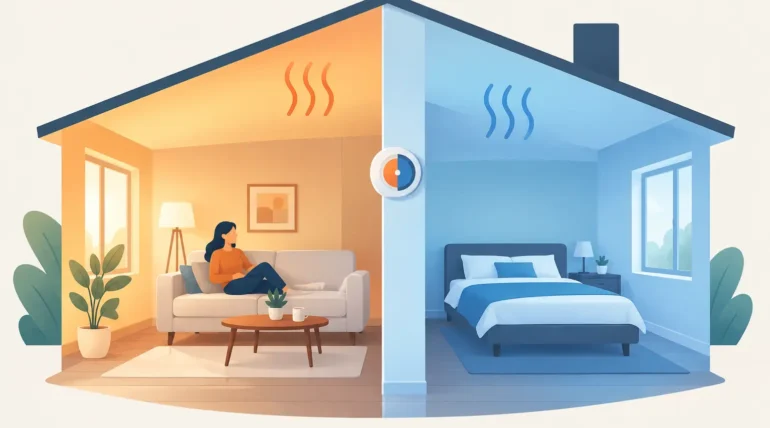
A bedroom that stays stuffy while the living room feels cold is more than a daily annoyance. It can disrupt sleep, make parts of the house unusable during peak summer heat, and leave you adjusting the thermostat without ever feeling fully comfortable. If you are wondering why rooms have uneven temperatures, the answer is usually not that your HVAC system is simply “too weak.” The issue is often a combination of airflow, insulation, ductwork, thermostat placement, and the way your home gains or loses heat.
In Canoga Park, Woodland Hills, Tarzana, and nearby San Fernando Valley communities, hot afternoons can expose comfort problems quickly. A properly diagnosed solution can improve comfort and may reduce the urge to run the system harder than necessary.
Why Rooms Have Uneven Temperatures
Your heating and cooling system works as a connected system. The equipment creates conditioned air, ducts deliver it, return vents bring air back, and the home’s insulation and windows help hold that conditioned air inside. When one part is restricted, poorly sized, leaking, or working against strong sun exposure, some rooms receive a very different result than others.
A noticeable temperature difference can be normal in a two-story home or a room with large west-facing windows. But if a room is consistently much hotter or colder than the rest of the house, it deserves attention. Turning the thermostat lower in summer or higher in winter may make the central area feel better while making already uncomfortable rooms worse.
Airflow restrictions are a common culprit
Conditioned air has to reach each room in the right volume. Closed or blocked supply vents, a clogged filter, furniture covering return grilles, or a blower that is not moving enough air can all reduce circulation. Rooms at the far end of a duct run are often the first to show the problem.
Start with the simple checks: make sure supply registers are open and unobstructed, and replace a visibly dirty filter with the correct type and size for your system. Avoid closing multiple vents in an attempt to force air elsewhere. That can increase pressure in the duct system and create new airflow problems.
If airflow still feels weak from certain vents, professional testing can identify whether the cause is inside the equipment, in the ductwork, or related to the system’s design.
Duct leaks, damage, and poor duct design
Ductwork is hidden behind ceilings, walls, or in attics, so it is easy to overlook. Yet leaky or disconnected ducts can send cooled or heated air into an attic or crawl space instead of your bedroom. In summer, attic duct leaks are especially costly because the conditioned air is lost into one of the hottest parts of the home.
Duct sizing also matters. A room addition, converted garage, or remodeled space may be connected to ducts that were never designed to handle its load. Long runs, sharp turns, undersized branches, and insufficient returns can prevent balanced airflow even when the air conditioner or furnace itself is operating normally.
A qualified HVAC technician should inspect the full path of the air before recommending major equipment replacement. Replacing a working unit without correcting duct issues can leave the same hot and cold spots behind.
Heat gain through windows, attics, and exterior walls
Some rooms fight a tougher battle than others. A second-floor bedroom under the roof, a home office with afternoon sun, or a room above a garage may take on far more heat than the rest of the house. In winter, poorly insulated exterior walls and drafty windows can have the opposite effect.
Attic insulation is particularly important in Valley homes. When insulation is thin, compressed, missing, or disturbed, heat moves more easily from the attic into the living space below. Your HVAC system then has to run longer to compensate, and rooms nearest the roofline may still feel uncomfortable.
Window coverings can reduce direct solar heat, but they do not solve every issue. If one area is consistently hotter despite normal airflow, an assessment of insulation, air sealing, and the room’s exposure can be more useful than repeatedly changing the thermostat.
Thermostat location can mislead the system
Your thermostat can only respond to the temperature around it. If it is located in a shaded hallway, near a kitchen, close to a supply vent, or in another unrepresentative spot, the system may cycle off before the warmest rooms are comfortable. A thermostat near a sunny window may cause the reverse problem.
This does not always mean the thermostat needs to be moved. In some homes, a compatible smart thermostat with remote room sensors can help the system prioritize the areas that matter most at different times of day. For example, you may want the bedrooms more comfortable overnight and the main living area balanced in the afternoon.
The right option depends on the equipment, the home layout, and whether the real issue is temperature sensing or insufficient airflow. Sensors are helpful, but they cannot repair leaking ducts or overcome a severely undersized system.
System Size and Zoning: When One Thermostat Is Not Enough
An oversized air conditioner can cool the thermostat area quickly and shut off before air has circulated through distant rooms. An undersized system may run for long periods and still struggle during extreme weather. Both conditions can contribute to uneven temperatures, although sizing is only one part of the diagnosis.
Older homes and larger floor plans can also be difficult for a single thermostat and a single-zone system to manage. Upstairs and downstairs, sunny and shaded sides of the home, or a new addition and the original structure may have very different comfort needs.
Zoning can be a good solution when designed correctly. It uses controls and dampers to direct conditioning to separate areas based on their individual needs. Ductless mini-split systems can also work well for certain additions, garages converted to living space, or rooms that are difficult to serve with existing ducts. These options involve an upfront investment, so a load calculation and a clear explanation of the expected benefits should come first.
What to Notice Before Scheduling Service
A few observations can help make a professional visit more productive. Pay attention to whether the issue happens only in cooling mode, only in heating mode, or year-round. Note the time of day, whether the room is upstairs or downstairs, and whether airflow from the vent feels weaker than in other rooms.
Also consider recent changes. New landscaping can alter shade patterns. A remodel may have changed airflow paths. A room that became an office, nursery, or gym may now have more people and electronics creating heat. These details help separate a system malfunction from a home-performance issue.
Do not ignore warning signs such as icing on refrigerant lines, unusual cycling, loud airflow noises, musty odors, or a sudden increase in utility bills. Those symptoms can indicate a maintenance or repair concern that should be inspected rather than managed with vent adjustments.
The Value of a Whole-Home Diagnosis
Comfort problems rarely have a one-size-fits-all fix. A clean filter may solve a minor airflow issue, while another home may need duct repairs, additional returns, insulation improvements, equipment adjustments, or a zoning strategy. The goal is not to sell the biggest system. It is to identify what is preventing every part of the home from receiving the comfort it should.
For homeowners in Canoga Park and surrounding Valley neighborhoods, TOP AC provides licensed HVAC diagnostics for all brands and system types, with clear recommendations and transparent pricing. A careful evaluation can show whether the problem is repairable, maintenance-related, or tied to a larger design issue.
A consistently uncomfortable room is your home telling you something. Address it before the next heat wave or cold spell turns one difficult space into a whole-house comfort problem.